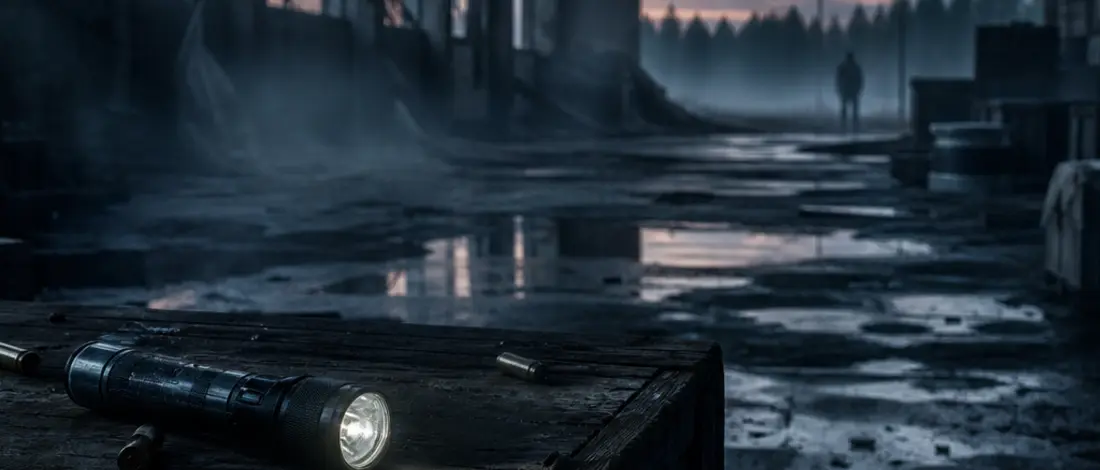
Resource scarcity is the secret sauce that makes multiplayer survival memorable. In the best co op horror games and broader survival sandboxes alike, danger is not just the monster outside or the storm rolling in. It is the fact that your squad has two bandages, one half-charged flashlight, and no guarantee the next room helps more than it hurts. When supplies are tight, every call matters, every detour has weight, and teamwork stops being a nice idea and starts feeling like the only thing standing between a clean escape and a total collapse.
Why Scarcity Is the Real Engine of Multiplayer Survival
Resource scarcity is more than “low loot.” It is the system that turns simple actions into meaningful risks. Opening a locker matters because you might find the food your team needs, or waste precious time while noise draws trouble. In good multiplayer survival design, scarcity gives every choice a cost: spend ammo now or save it for later, heal the injured scout or keep the meds for the player carrying key tools, sprint to safety or burn the last of your stamina before the real fight starts. Even outside pure horror, this is what gives co op horror games and survival-focused multiplayer their pulse.
Take that pressure away and the whole experience flattens out. If ammo is everywhere, healing is cheap, and every crafting material respawns in piles, then tension evaporates. Players stop discussing plans and start sleepwalking through encounters. The map becomes a vending machine instead of a threat. You still have enemies and objectives, sure, but the emotional stakes drop because there is no reason to hesitate, negotiate, or improvise under stress.
That is why scarcity connects gameplay to emotion so cleanly. It controls pacing by creating peaks of panic and valleys of relief. It shapes teamwork by forcing players to rely on each other’s judgment. And it turns survival from a checklist into a lived experience where fear, greed, generosity, and bad timing all collide in the same ten-second decision window.
How Running Low Changes Group Psychology
A full inventory makes squads confident. An empty one makes them honest. The moment hunger meters dip, magazines run dry, and healing supplies shrink to almost nothing, the social side of survival wakes up fast. Calm players start asking sharper questions: who really needs that food, who wasted ammo on a wandering threat, who is carrying materials but not saying so? Scarcity turns a smooth run into a negotiation, and negotiation reveals the personalities inside the team.
This is where the best social drama in co op games comes from. Not scripted cutscenes, but friction born from necessity. One player wants to push forward because the objective is close. Another wants to backtrack because the group cannot survive one more bad encounter. Someone volunteers to hold the corridor while the others escape, and suddenly a routine retreat becomes a hero moment. Someone else pockets the only painkillers “just in case,” and the squad carries that tiny betrayal for the rest of the session.
Scarcity also creates guilt in a way abundance never can. If everybody cannot be saved equally, then every act of care implies an act of omission. You heal one teammate and leave another limping. You pass the food to the builder because the base needs finishing, while the scout goes hungry. Those are the moments players remember later, because they feel personal rather than mechanical.
When One Item Creates a Whole Story
Multiplayer survival is at its best when one small item can carry an entire scene. One medkit means somebody gets to stay in the fight while somebody else risks bleeding out on the next push. One battery means the radio works, or the door opens, or the flashlight stays alive for another floor. One last bullet means you can stop the thing charging the hallway, or save yourself and let your teammate gamble on a sprint. Scarcity gives ordinary objects narrative weight because every item implies an opportunity cost.
That is why players tell stories about moments that sound tiny on paper. Not “we completed the mission,” but “we argued for thirty seconds over who should take the battery while something kept scraping at the walls.” Not “we survived the night,” but “we found one safe route, then realized it was only safe if the slowest player dropped half their gear.” The mechanics are simple. The consequences are not.
When supplies are scarce, improvisation becomes the game’s real language. Plans bend. Roles blur. The quiet support player suddenly becomes the most important person in the room because they saved one smoke bomb. The reckless looter earns forgiveness because they found the fuse at the last possible second. A whole session can hinge on a single object because scarcity makes every object feel earned.
Why Co Op Horror Games Hit Harder With Empty Inventories
Co op horror games hit especially hard because they combine scarcity with vulnerability. Darkness matters more when the flashlight battery is fading. Footsteps in the next room sound worse when your weapons are weak and your healing is gone. Horror thrives on making players feel exposed, and empty inventories are one of the cleanest ways to get there. You are not just scared because something dangerous exists. You are scared because you know you are badly equipped to deal with it.
Compare that to more action-driven multiplayer survival loops. In a combat-heavy setup with generous resources, fear often gives way to momentum. You still get excitement, but it is the thrill of execution: reload, revive, push, repeat. In co op horror games, scarcity slows players down and makes them listen. A distant sound cue is no longer background flavor; it is information that might decide whether your team burns its last utility item now or risks moving blind.
That is also why mistakes feel more personal in horror. Misjudge a corner, waste a flare, panic-fire into the dark, and the fallout sticks. There is no easy reset when tools are limited. The monster feels closer, the silence feels louder, and the group chat gets tenser because everyone knows the margin for error has already disappeared.
What Free Survival Games Reveal About Pressure and Creativity
Some of the smartest lessons about tension come from free survival games. They often cannot rely on spectacle alone, so they lean harder on readable systems, tight loot economies, and improvised problem-solving. When players do not have endless gear, they start inventing solutions: bait an enemy instead of fighting it, rotate who carries the light source, split tools across the team so one death does not erase everything. That kind of pressure creates creativity naturally.
Limited budgets do not stop strong survival design if the scarcity systems are clear and fair. Players will forgive rough edges if the game consistently makes their choices matter. If they understand why resources are rare, what tradeoffs they are making, and how close they are to recovery or disaster, the tension feels earned rather than cheap. That is why some free survival games can feel sharper than bigger productions that drown players in loot and call it depth.
For anyone chasing high-stakes teamwork, it is worth remembering that intense survival does not always come from the fanciest package. Sometimes it comes from a simple setup where the rules are tight, the supplies are tighter, and the squad has to think its way out of trouble instead of buying comfort with excess resources.
The Best Co Op Games Treat Scarcity as a Social System
The best co op games understand that scarcity is not just an economy. It is a social system. Resources should shape roles, communication, and trust, not just force players into extra grinding. A strong survival loop makes the medic care about inventory discipline, the scout care about route efficiency, and the builder care about what gets used today versus saved for nightfall. When the design is working, the team is not merely collecting loot. It is constantly deciding what kind of group it wants to be under pressure.
For scarcity to feel fair, a few design traits matter more than raw difficulty:
- Clear feedback so players understand what they spent, what they gained, and what danger that created.
- Real tradeoffs where choosing food over ammo, speed over stealth, or safety over progress changes the next few minutes in a visible way.
- Room for clutch recovery so a bad stretch hurts, but smart teamwork can still pull a run back from the edge.
That is the sweet spot. Not abundance, and not hopeless deprivation, but a constant feeling that survival depends on people making hard calls together. Loot tables can start the tension. Human decisions are what keep it alive. When a multiplayer survival game understands that, every hallway, backpack, and emergency stash becomes more than a mechanic. It becomes a test of trust.