Designing Tension Without Frustrating Players
Learn how to build fair tension with clear telegraphing, recoverable failure, and smart pacing so players feel pressure without rage-quits or burnout
Learn how to build fair tension with clear telegraphing, recoverable failure, and smart pacing so players feel pressure without rage-quits or burnout
From Valheim enemies to Ark predators and Terraria mobs, the best survival foes reshape routes, drain confidence, and force smart prep every time.
Learn how defined roles, smart communication, and flexible teamwork help any co-op survival squad adapt faster and stay alive longer in every phase.
From heat and fog to lightning and storms, smart weather systems reshape risk, teamwork, and pacing, turning survival worlds into story engines.
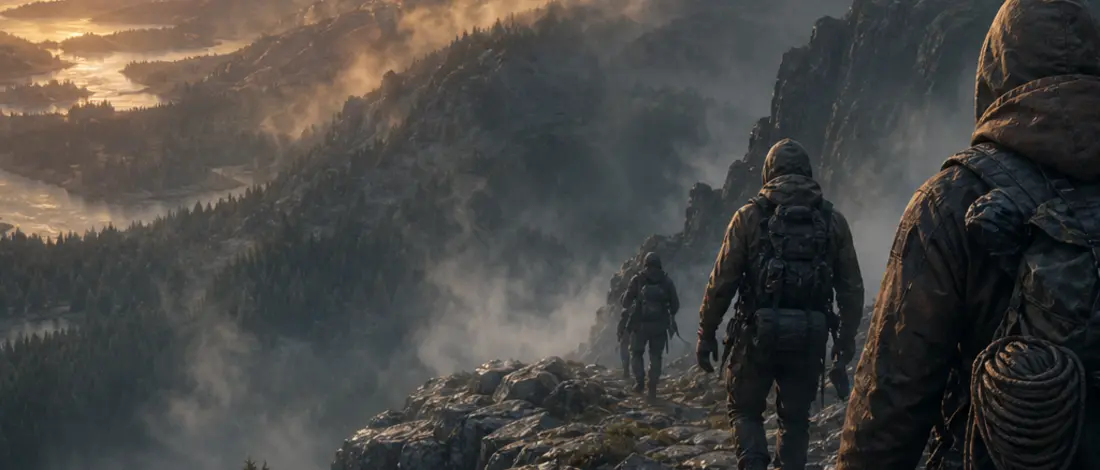
Discover why open world multiplayer games turn exploration into suspense, trust into strategy, and every risky journey into a story friends remember.
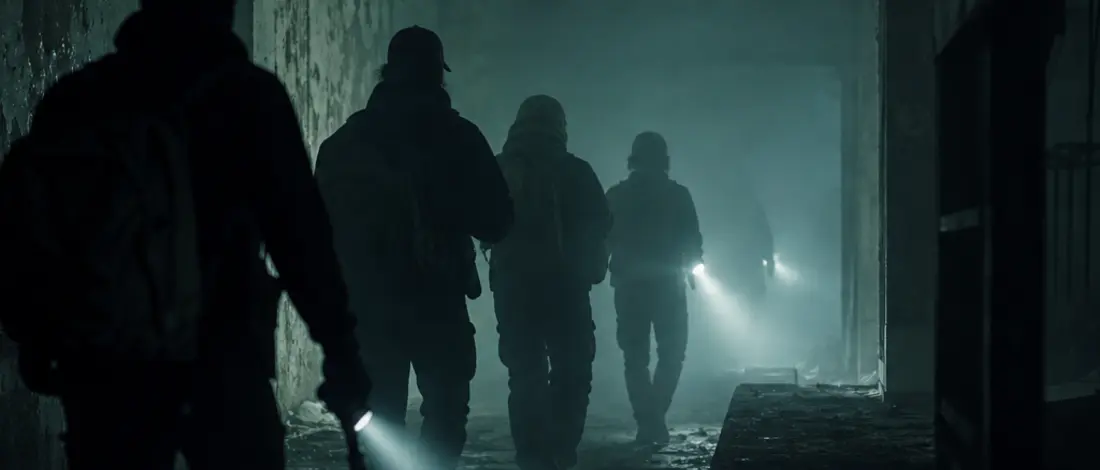
Scarce supplies, imperfect comms, and rising threats make a co-op survival horror game tense, social, and endlessly replayable for every squad.
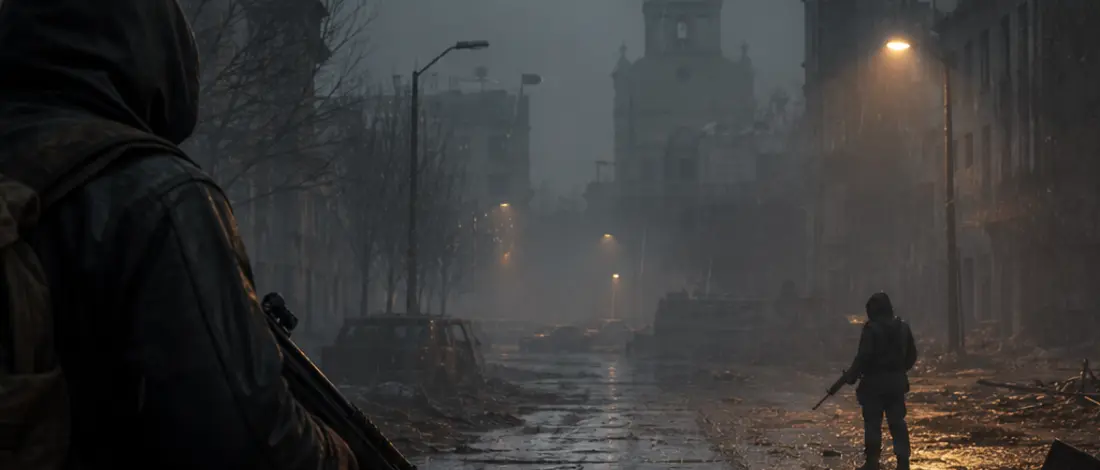
Why do games like DayZ make trust and betrayal hit so hard? Scarcity, loss, and human unpredictability turn every encounter into a tense story.
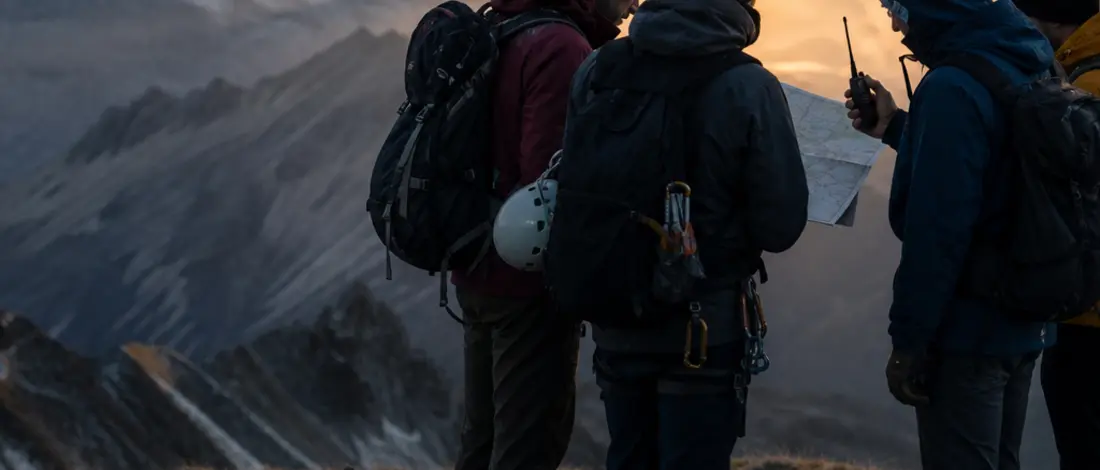
From radios to hand signals, strong team communication helps groups stay aligned, reduce mistakes, and make better decisions when stress and terrain close in.
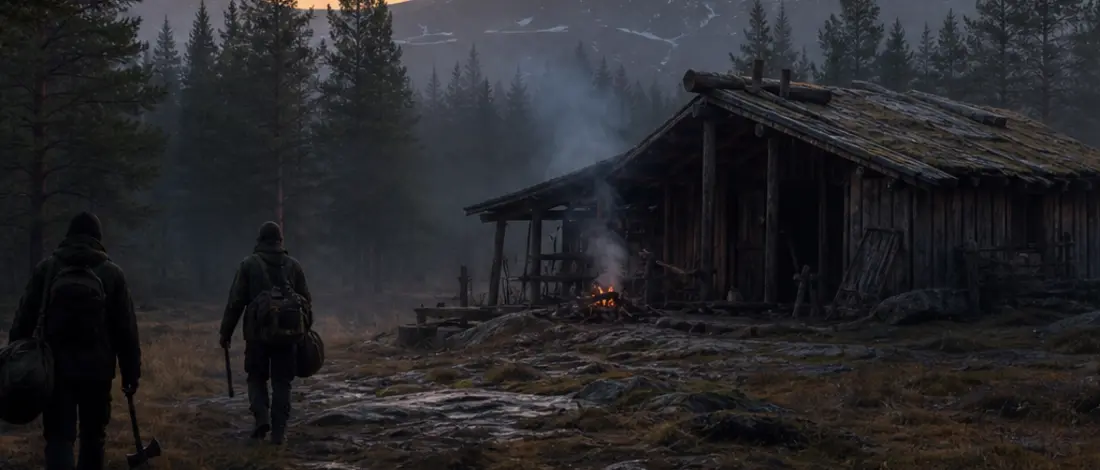
Solo survival and co-op survival may share maps and mechanics, but friends completely change the pace, risk, psychology, and purpose of every run.
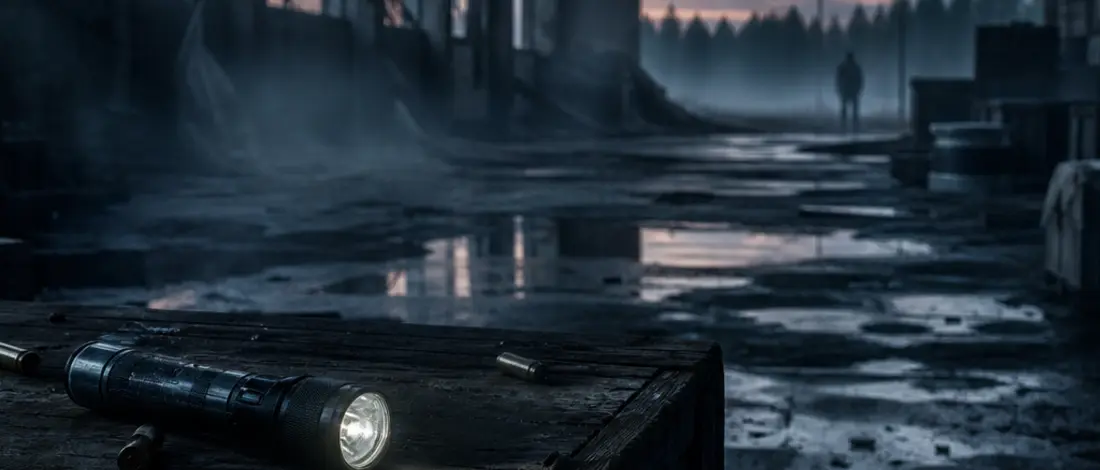
Scarce ammo, medkits, and tools turn every decision into a risk, making co-op survival and horror games more tense, social, and unforgettable.
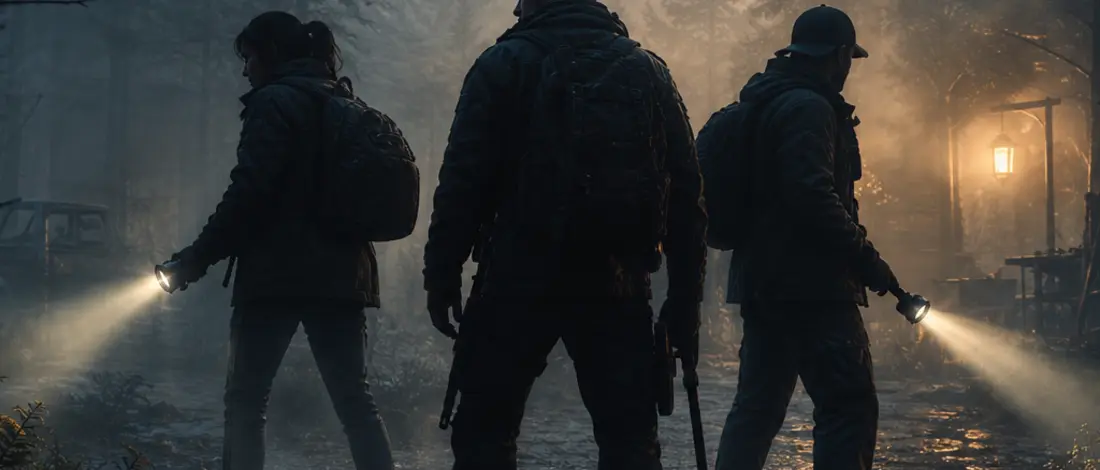
Explore how trust, betrayal, fear, and teamwork shape co-op survival matches, and why the best teams survive by reading people as well as danger.
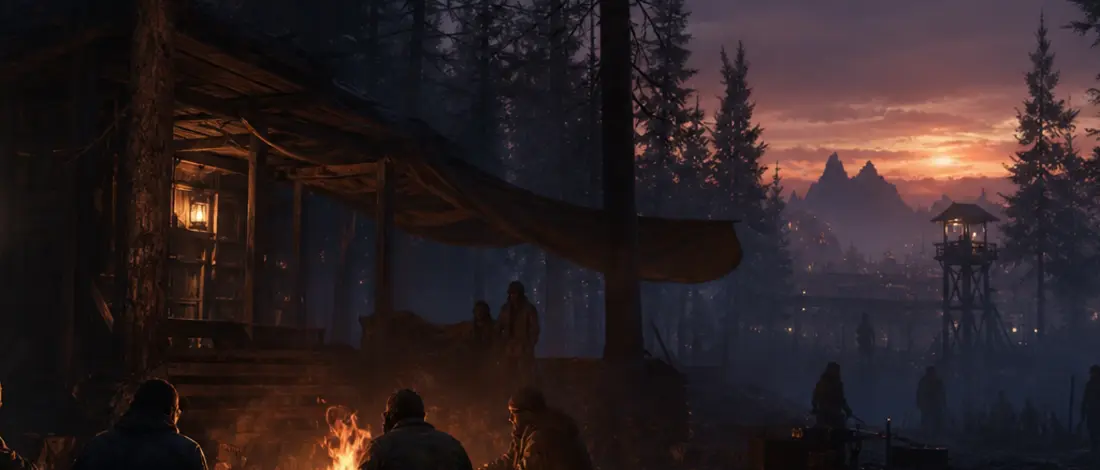
From doomed supply runs to last-second rescues, co op survival games turn scarcity, trust, and chaos into unforgettable player-driven stories.